
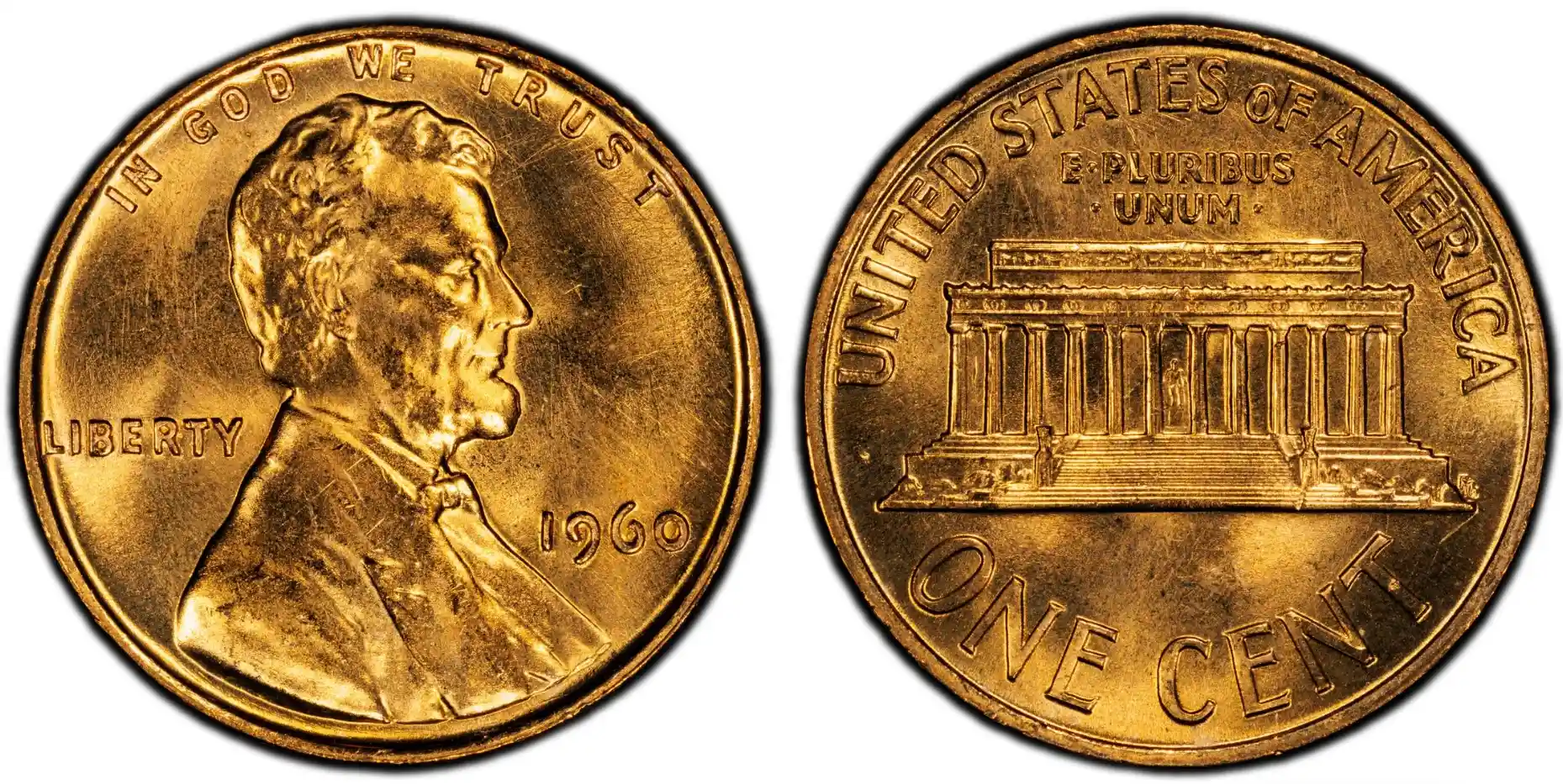
Common 1960 penny value starts at $0.05-0.10 for standard condition pieces found in daily change. Better quality coins reach $10-50 price levels at auctions. Rare error coin sales break records with $5000+ results.
| Feature | Value |
| Diameter | 19 mm |
| Weight | 3.11 g |
| Material | 95% Copper, 5% Zinc |
| Edge | Plain |
Price Ranges by Condition
Market value depends on Sheldon scale grades. These grades dictate the final price at sale time.
- Circulated condition: $0.05-0.25
- MS-63 grade: $2-8
- MS-65 grade: $15-45
- MS-67 grade: $150-400
Record sales for 1960 Small Date MS-67+ grade reached $6325. Clean Copper surfaces add 20% to 30% extra value compared to damaged coins. Price gaps stay wide between grade levels. Every step up in grade adds significant dollar volume to the asset.
Small Date Versus Large Date Variety
Date design shapes coin price. Collectors pay premiums for rare date types.
Small Date
Digit 6 features a curved tail. Zero top sits below one top. This variety is rare. Collector demand keeps price levels high. AU-50 condition coins sell for $10. Demand stays firm because supply stays low. High demand ensures quick liquidity for investors.
Large Date
Digit 6 features a straight tail. Zero top aligns with one top. These coins are common. Prices stay at $2-5 even for MS-65. Profit potential for this variety stays near zero. Investors usually skip these coins.
High Value Errors
Investors track production mistakes for profit. These coins demand high prices.
Doubled Die Obverse
Die shift creates doubled date lines. A found doubled date coin costs $2000. MS-64 coins sell for $500-800. Profit margins increase with higher grades.
Off-Center Strike
Blank placement shift creates off-center design. 10% to 15% shifts bring $30-70. 50% shifts with full dates get $300-500. Rarity drives these price points.
Filled Mint Mark
Die debris hides mint mark detail. These errors add $5-15 to coin value. Price growth stays slow for these minor errors.
Storage Impact on Profit
Bad storage ruins Copper surfaces and destroys coin value immediately. Proper storage saves cash.
- Humidity: causes dark spots, drops value 40%
- Skin contact: leaves oil, needs cleaning, drops price 50%
- Cleaning liquids: chemical damage, drops value to face price
Plastic coin holders stop moisture. Coins kept in good storage grow 3% to 5% in price every cycle. Protecting Copper assets keeps the investment safe.
| Grade | Normal 1960 Price | Doubled Die Price |
| MS-63 | $2 | $350 |
| MS-64 | $5 | $700 |
| MS-65 | $20 | $1500 |
| MS-66 | $60 | $2800 |
Price gaps show fast growth for high grades. MS-66 coins sell 60% faster than lower grade pieces. High grade Copper sells well. Low grade Copper stays in stock too long. Investors prefer MS-65+ grades.
Investment Tips
- Date check: use 10x magnification for date type verification.
- Certification: send suspected errors to grading centers for higher resale value.
- Auction tracking: watch closed sales for real price data instead of asking prices.
- No cleaning: never polish coin surfaces to maintain base price.
Auction Sales Data
Sales reports from last three cycles show Small Date penny assets have low price swings. Coins with bright Copper luster show 8% price growth over 5 cycles of ownership. Doubled Die coins bring 15% gains upon resale.
Wear signs matter. Scratches on high points cut value by $100-200. Deep scratches make a coin worth only $1-3. Investors must inspect surfaces for marks. Surface quality determines the final sale price.
Mint Role in Pricing
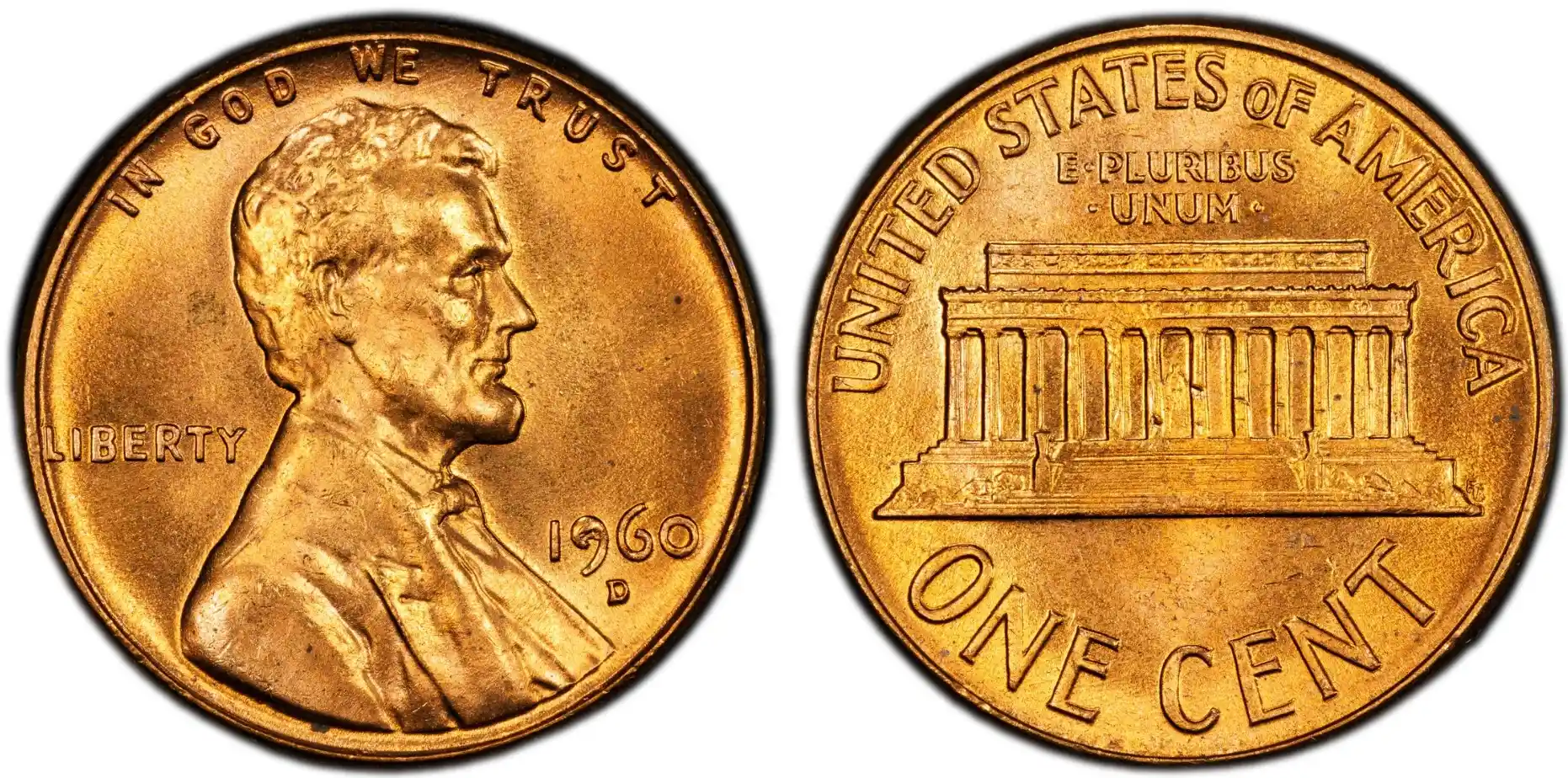
Philadelphia coins lack mint marks. Denver coins have D marks. Denver Small Date coins exist in larger numbers. Denver price sits 10% to 15% lower than Philadelphia coins. Investors focus on unmarked Philadelphia Small Date coins for best returns. Market supply affects these price gaps.
Common Evaluation Mistakes
- Overgrading: sellers boost grade by 1-2 points, causing price errors and lost money.
- Scratch neglect: hidden marks cut value for pros.
- Fake errors: mechanical damage is not a Doubled Die error and carries zero premium.
- Grading neglect: coins in plastic holders sell faster than raw ones.
Investment in coins needs math. MS-65 grade coins form portfolios with clear return paths. Real coin price comes from actual deals. Catalog numbers mean nothing without a buyer.